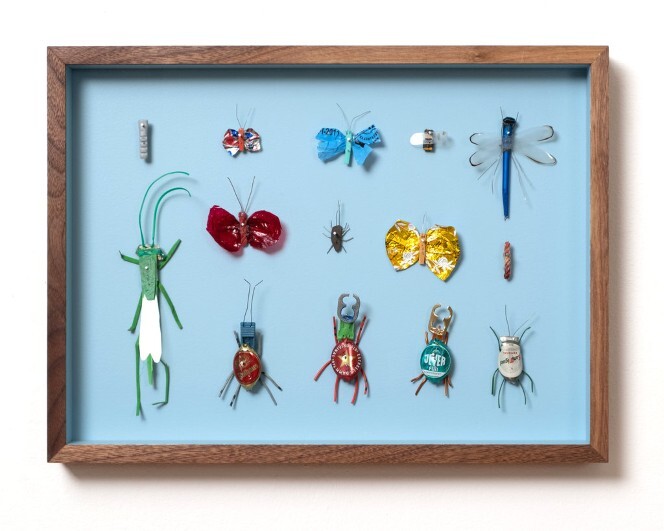
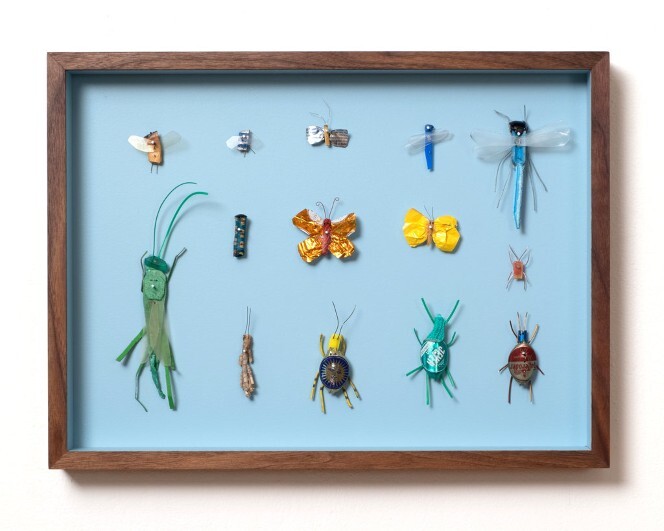
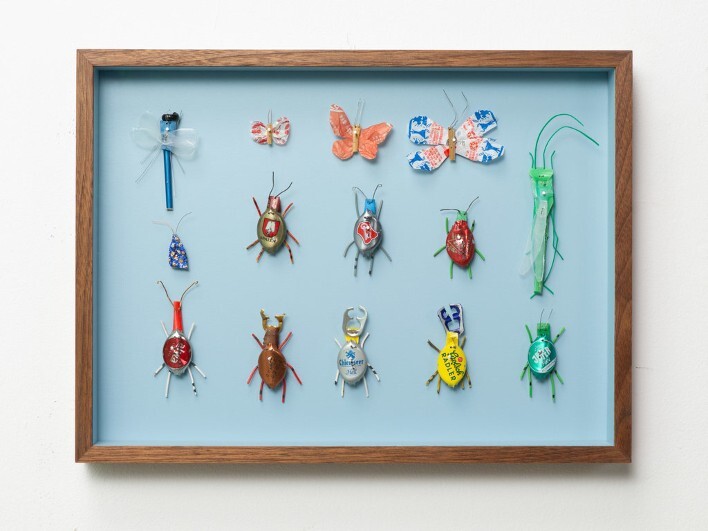
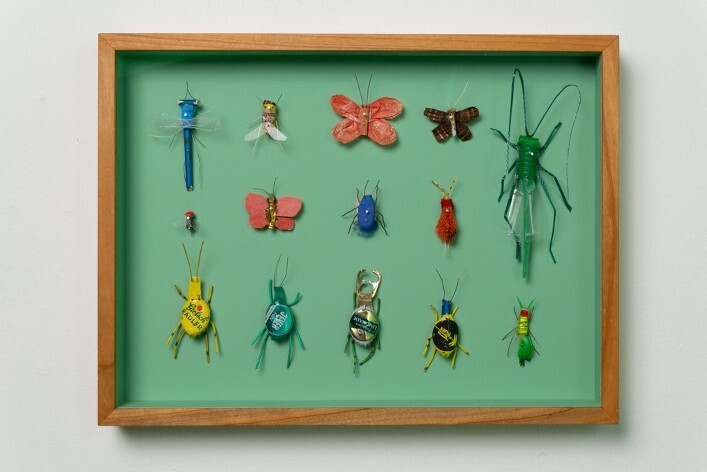
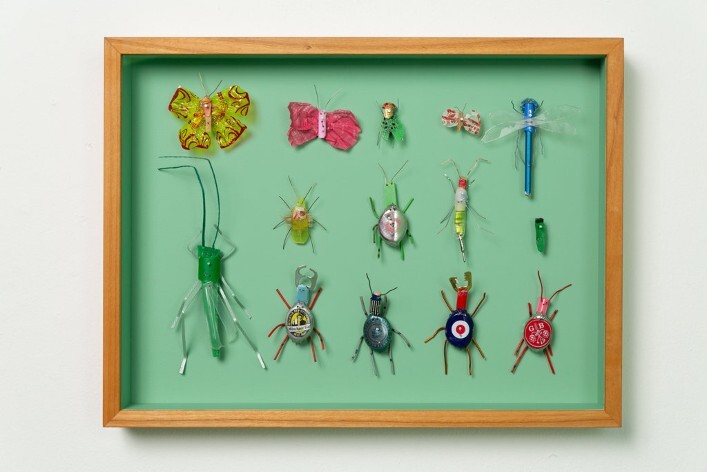
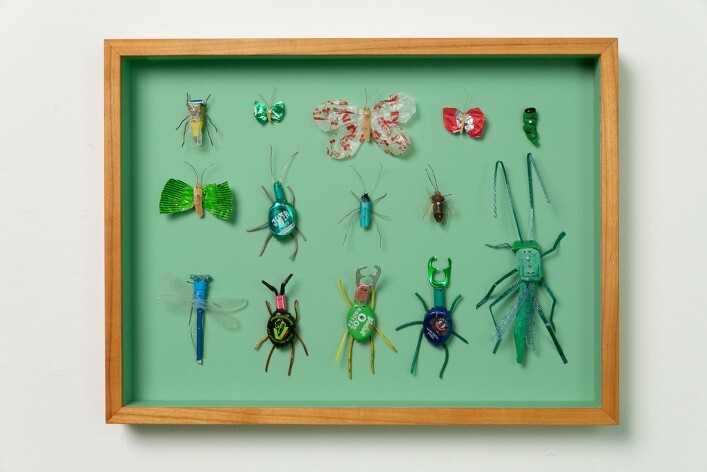
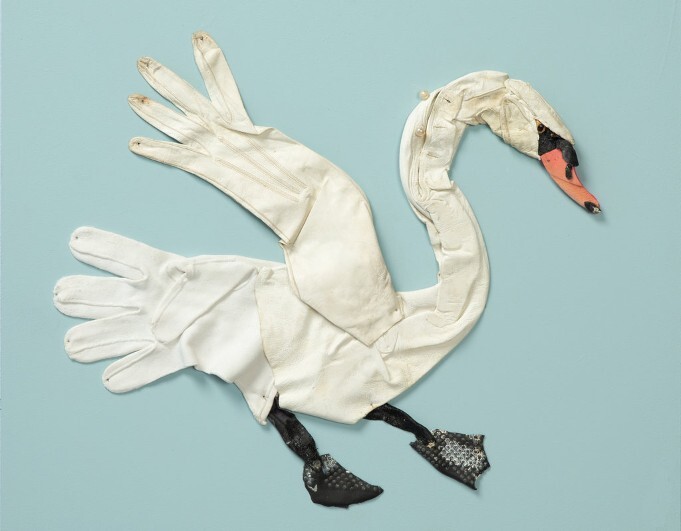
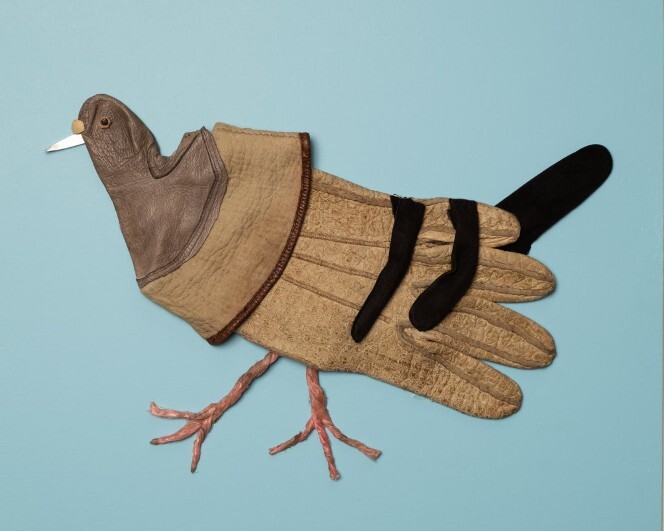
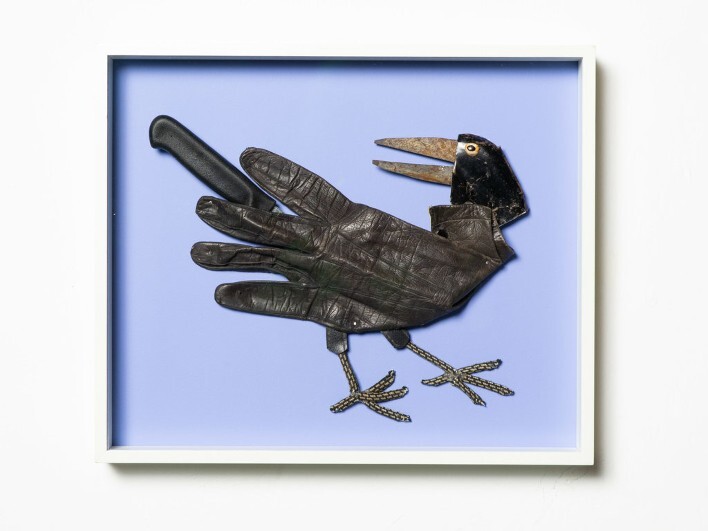
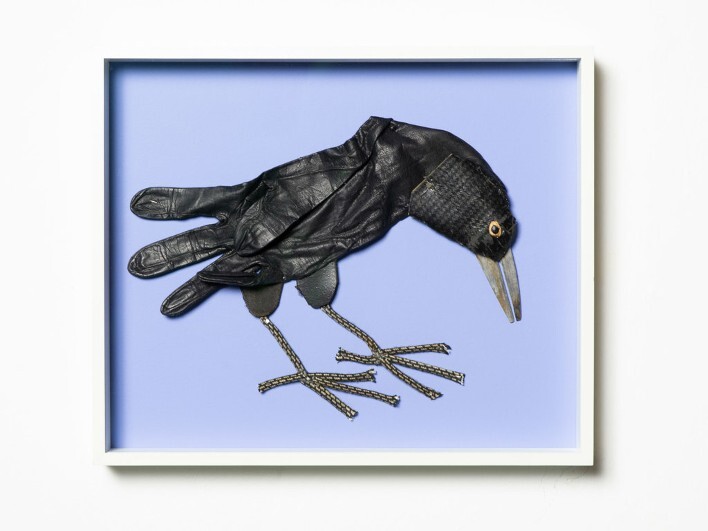
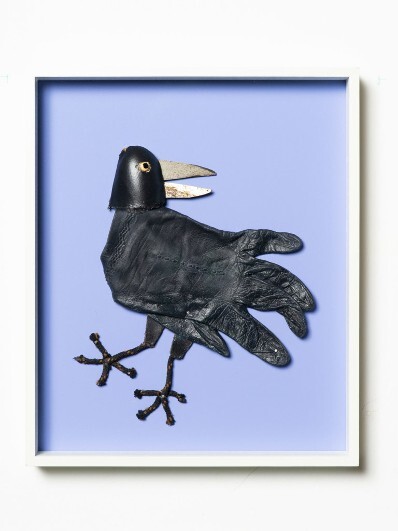
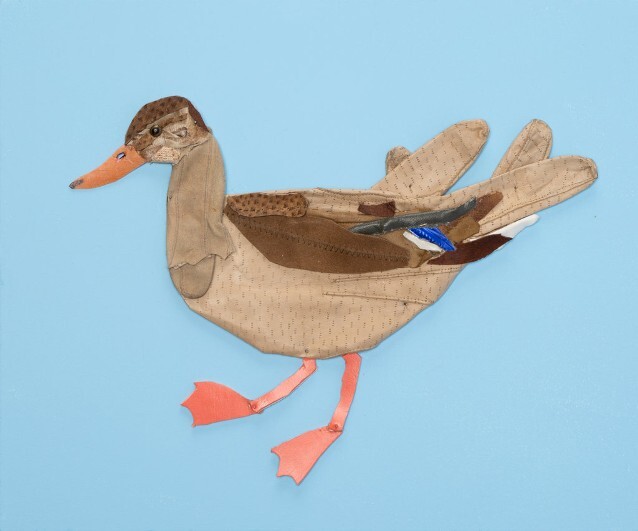
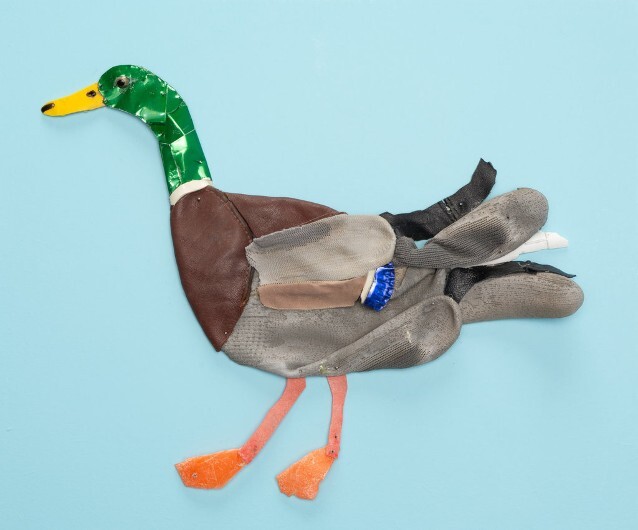
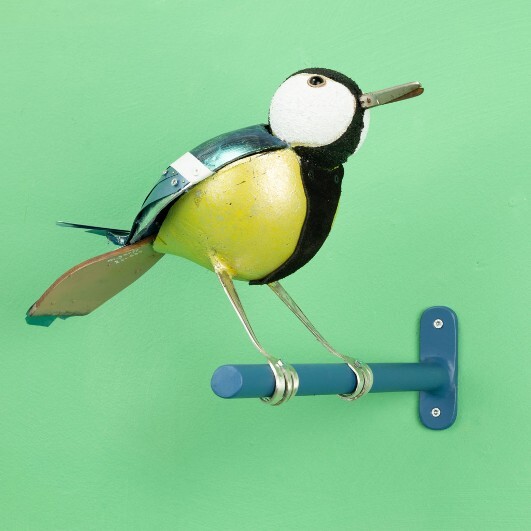
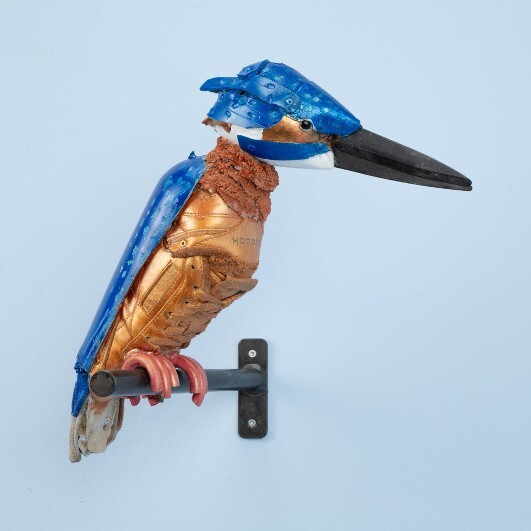
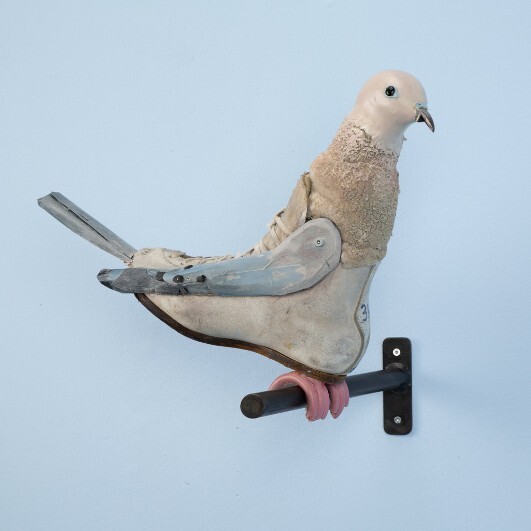
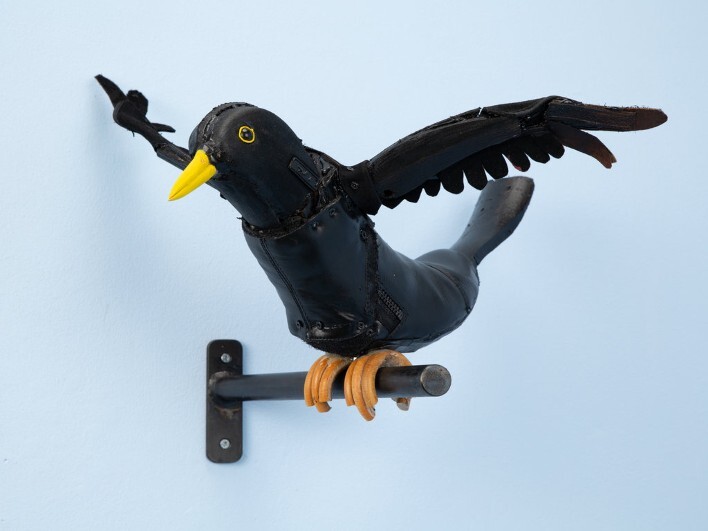
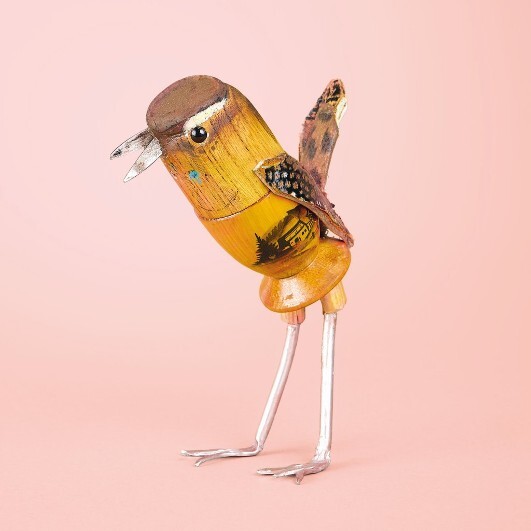
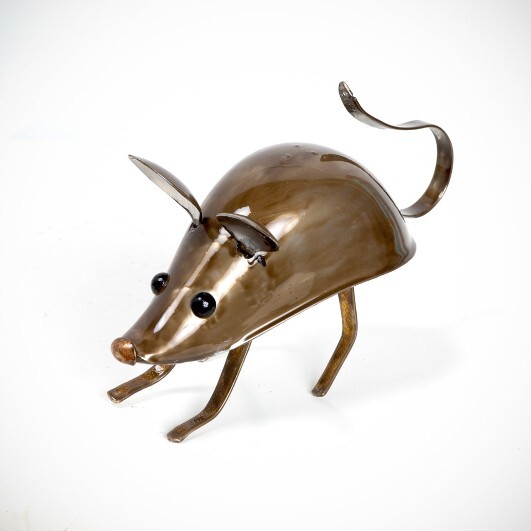
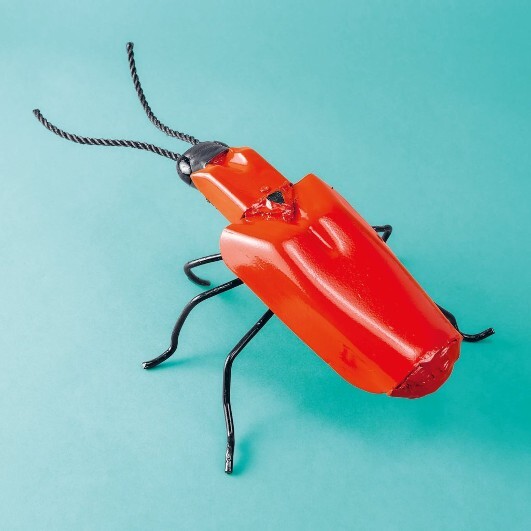
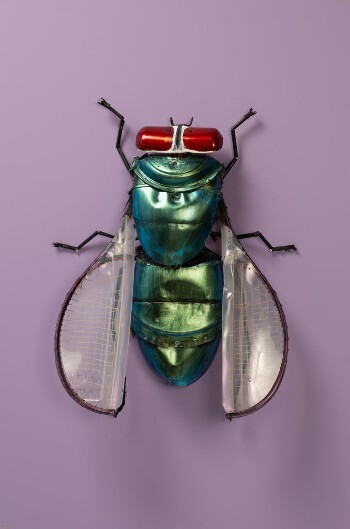
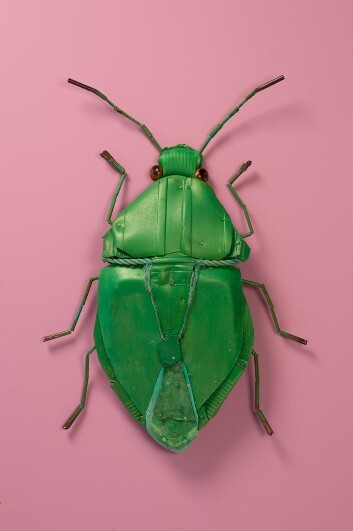
10 to 13 September 2026 · Tempelhof Airport, Hangar 6, Booth B 24. As part of Berlin Art Week we show works by Marion Eichmann, Karsten Konrad, Matthias Garff, Sador Weinsčlucker, Johannes Hepp, Lars Theuerkauff and Dietmar Brixy. Opening on Thursday, 10 September, 6–9 pm.
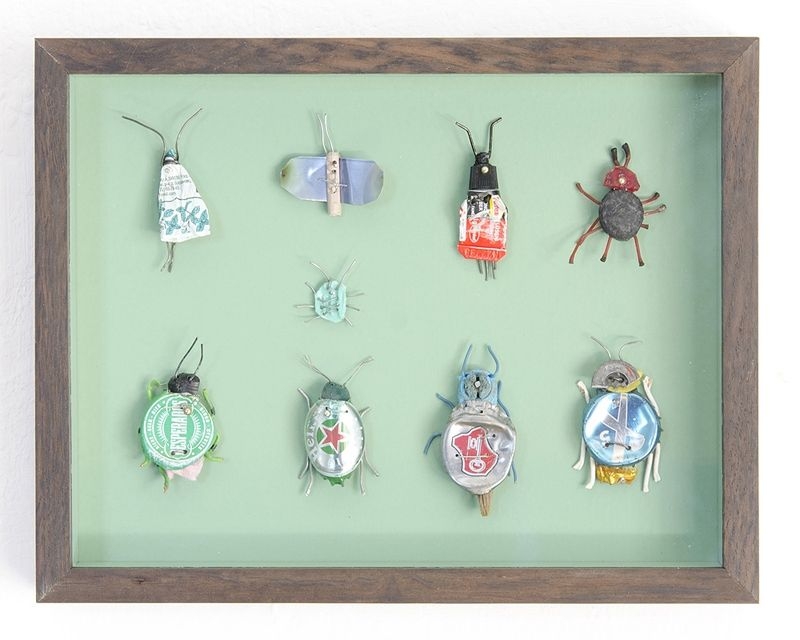
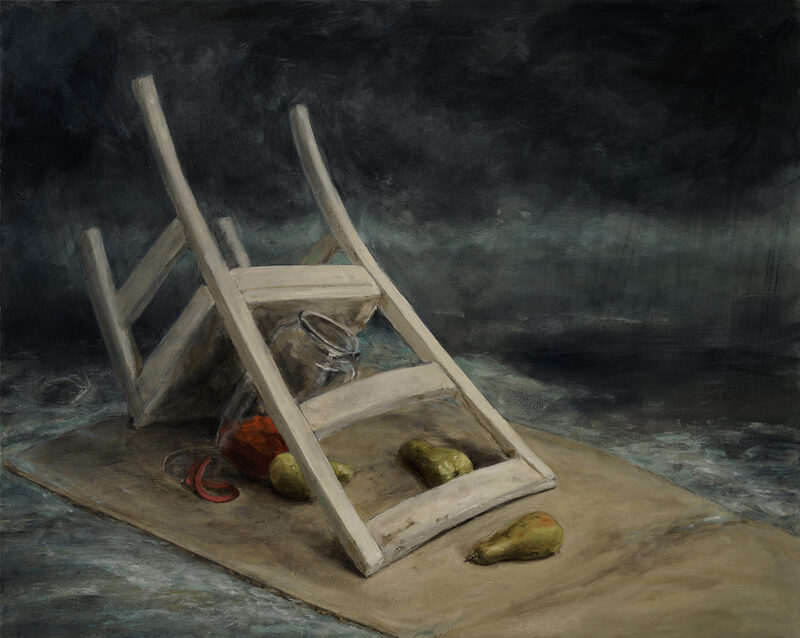
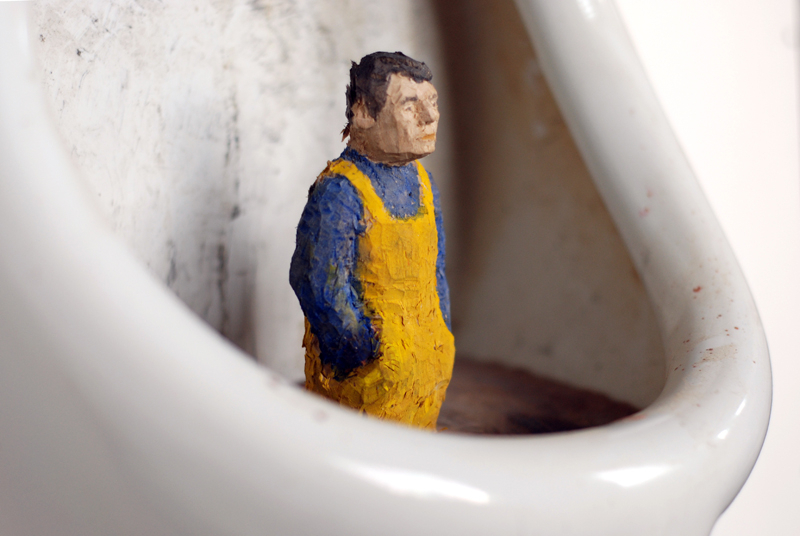
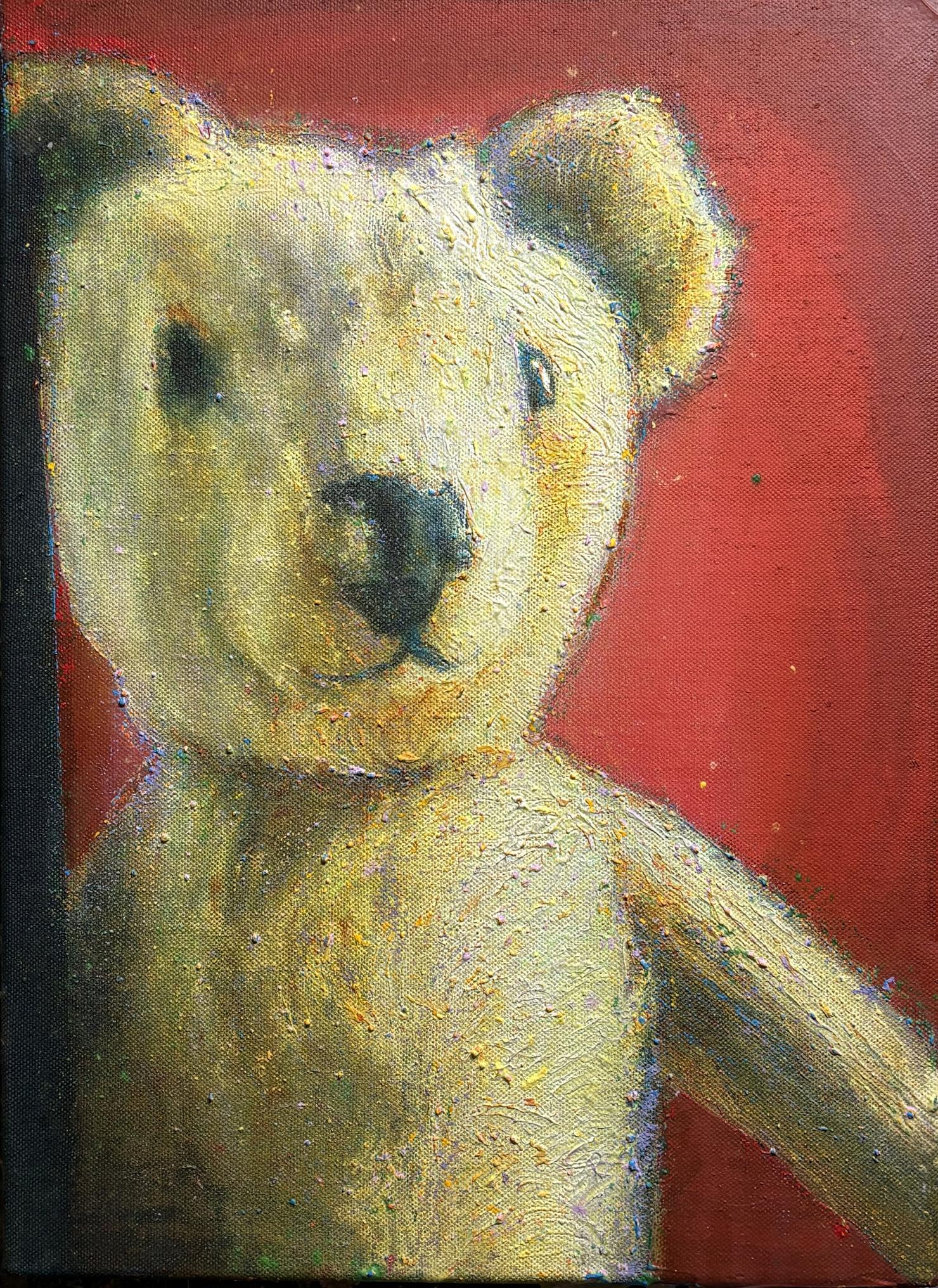
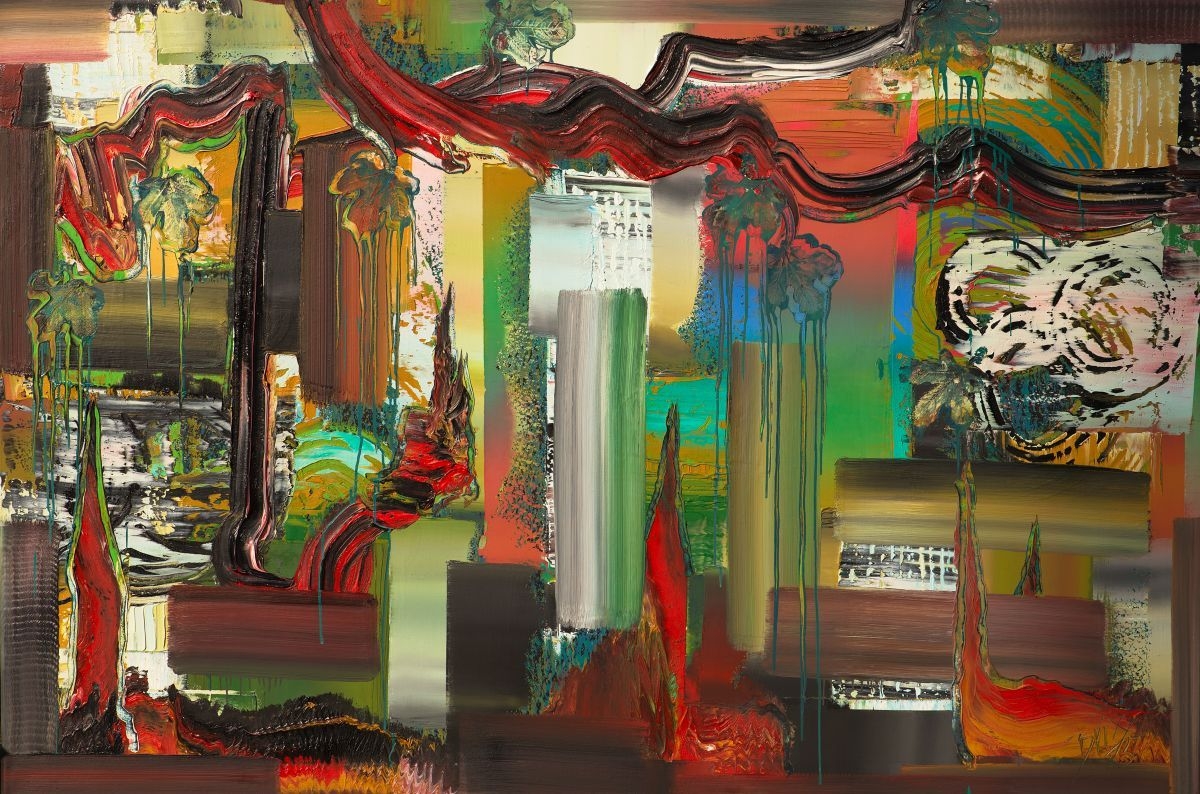
As part of Berlin Art Week, Galerie Tammen is once again taking part in POSITIONS Berlin Art Fair. We warmly invite you to visit us from 10 to 13 September 2026 in Hangar 6 of Tempelhof Airport at booth B 24.
Opening and opening hours
- Professional Preview: Thursday, 10 September 2026, 2–6 pm (by invitation)
- Opening: Thursday, 10 September 2026, 6–9 pm
- VIP Hours: Friday, 11 September 2026, 12 noon–2 pm (VIP ticket)
- Friday, 11 September: 2–8 pm
- Saturday, 12 September: 11 am–7 pm
- Sunday, 13 September: 11 am–6 pm
Tempelhof Airport, Hangar 6, Booth B 24 · Tempelhofer Damm 45, 12101 Berlin · www.positions.de
Artist programme
- Marion Eichmann
- Karsten Konrad
- Matthias Garff
- Sador Weinsčlucker
- Johannes Hepp
- Lars Theuerkauff
- Dietmar Brixy
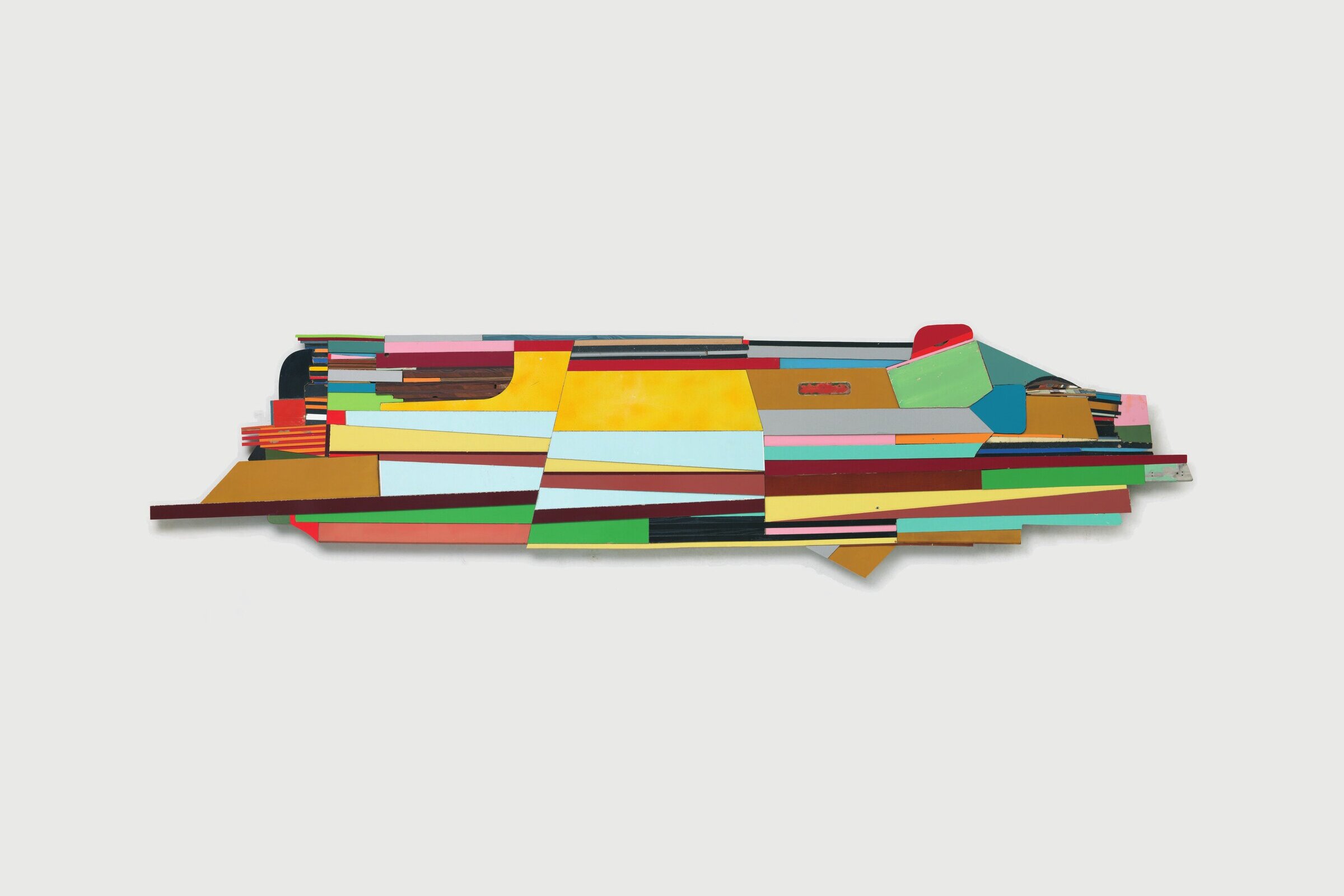
Karsten Konrad is presented prominently at the fair with several sculptures and objects – such as the wall piece “MEDANO”. From 23 October to 29 November 2026 the gallery will then show him in an extensive one-artist show: Sculptures – Objects – Paintings.
Marion Eichmann shows new works at the fair. Her one-artist show BERLIN! can be seen at the gallery until 18 October 2026.
During Berlin Art Week the gallery at Hedemannstraße 14 is open Thursday to Sunday, 1–6 pm. We look forward to your visit – at the fair and in the gallery!
On view at the fair
A selection of the works we are showing at booth B 24 in Hangar 6 – details as listed in the gallery’s work lists. For prices and further information please ask at the booth or use our contact form.
Marion Eichmann
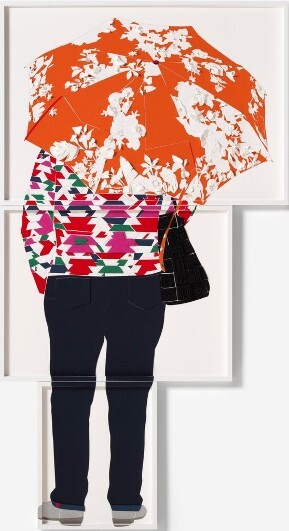
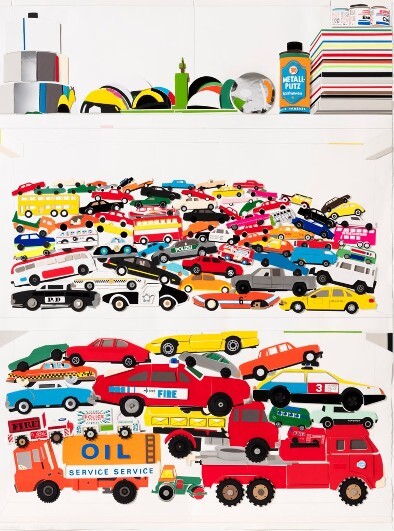
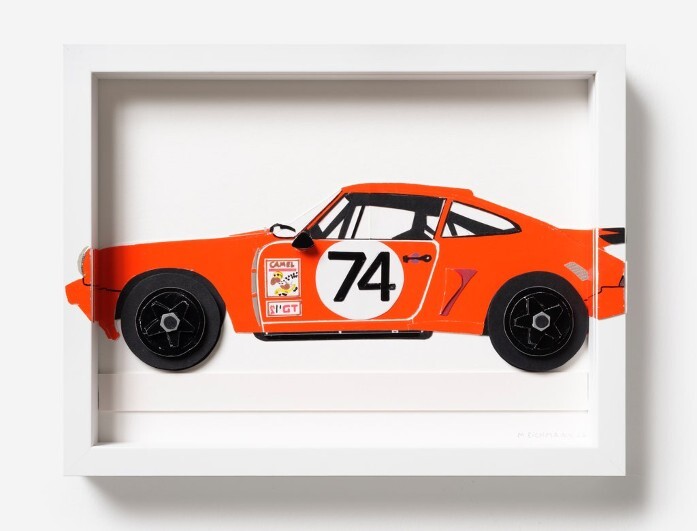
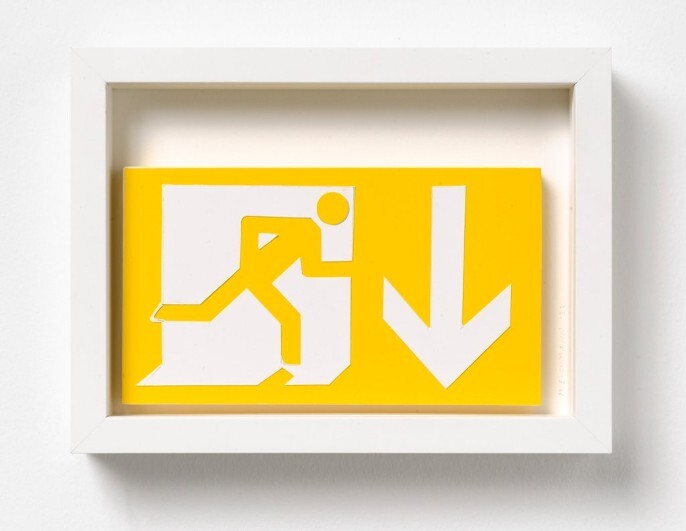
To the artist page of Marion Eichmann
Christoph Tannert on Marion Eichmann
Speech at the opening of the exhibition “Marion Eichmann – BERLIN!” at Galerie Tammen on 4 September 2026 (translated from the German). The exhibition is on view until 18 October 2026 at Hedemannstraße 14.
- Read the speech
Marion Eichmann, born in 1974, lives and works in Berlin. She studied at the Weißensee Academy of Art.
As early as 2002, her graduation project as a master student attracted international attention: under the title “Maschen” (Stitches) she had knitted an entire room, everyday objects included. An early sign of her artistic rigour.
In 2021 she was invited to develop works for the German Bundestag. This led to a year-long project in which she engaged, in her own way, with the rooms and architecture of the parliament buildings. Some of the 110 works shown in the lobby of the former Reichstag building and in the Bundestag’s liaison office in Brussels have been on permanent view in Berlin since 2024, in the Marie-Elisabeth-Lüders-Haus of the German Bundestag. Visiting this ensemble of works is extremely rewarding.
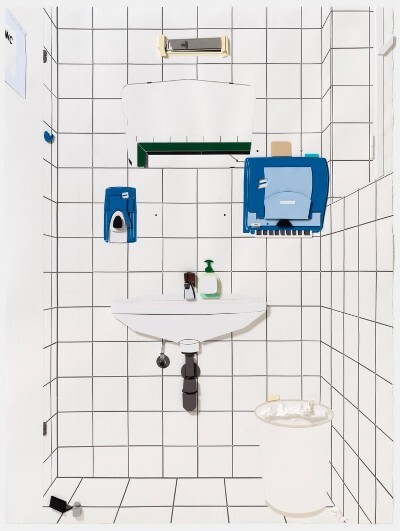
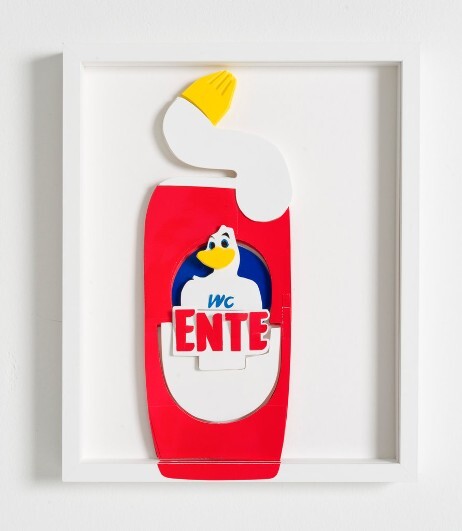
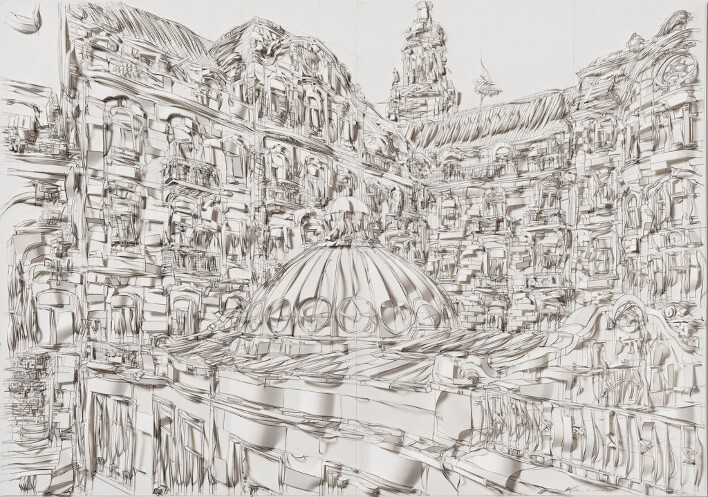
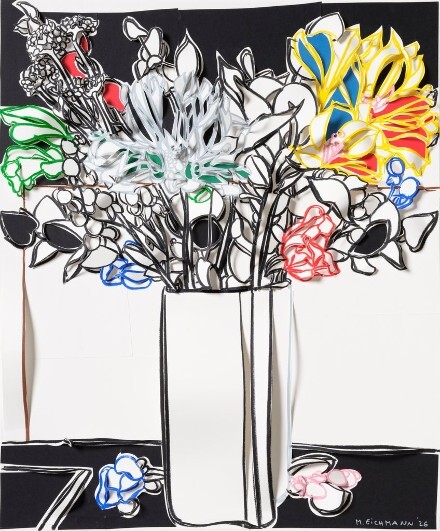
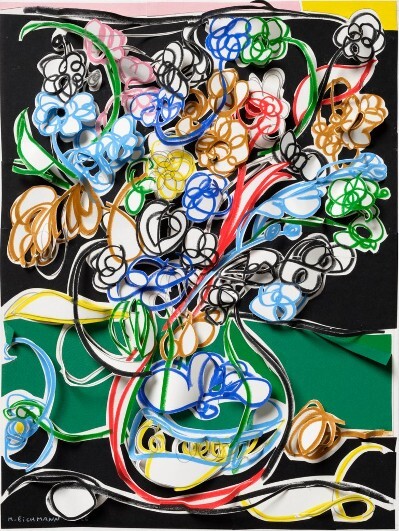
Here in the gallery we see works from the years 2022 to 2026. They belong to her recurring groups of motifs: the Berlin cityscape, objects in public space, things of personal interest (such as a grand piano, bookshelves or a poodle), and flowers.
Marion Eichmann’s artistic practice always begins on site, by confronting what she sees without prejudice. In order to begin drawing at all, she seeks direct experience. She looks, touches, listens into the tumult of the world – whether in New York, Tokyo or Berlin. She never sees an object or a piece of architecture in isolation, but embedded in a context of objects. Buildings are part of urban events. A detail that seems incidental at first glance is just as important as the whole.
Nothing is invented. Everything follows direct observation and intense experience. The visible takes precedence over imagination. What is carried out artistically resembles a spatial conquest of what there is to see.
Whatever she feels drawn to, Marion Eichmann usually fixes in pencil. The art historian Stefan Geiger speaks of “real-structure sketches”. The lines are then emphasised and finalised with a fineliner. Every stroke has to sit right and must already be conceived with the later colour accents in mind. There is no hatching.
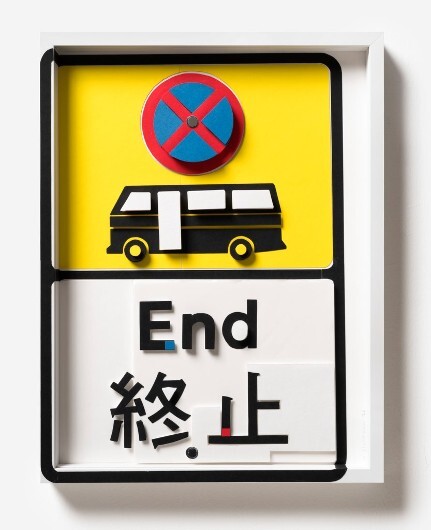
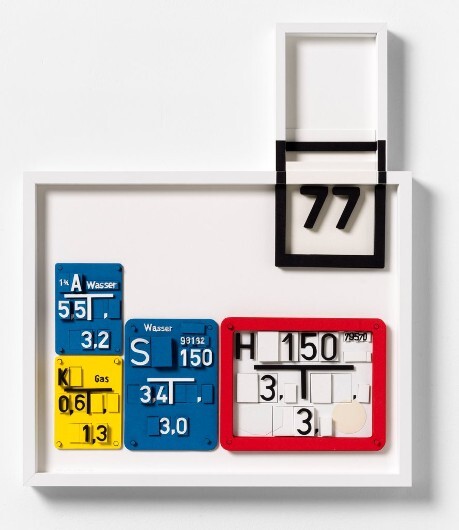
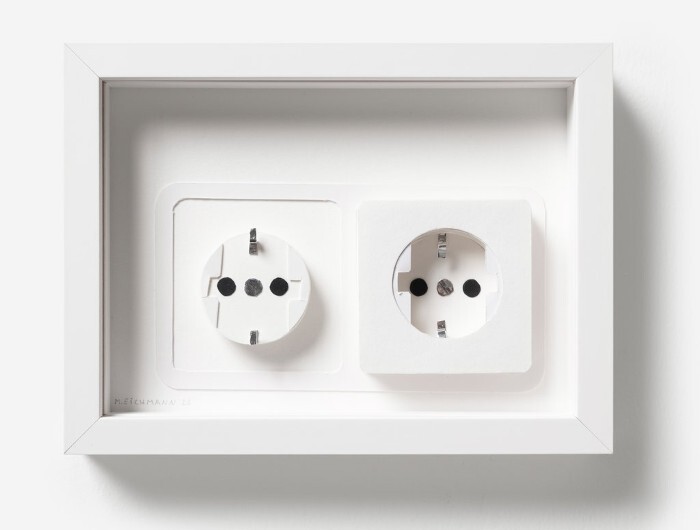
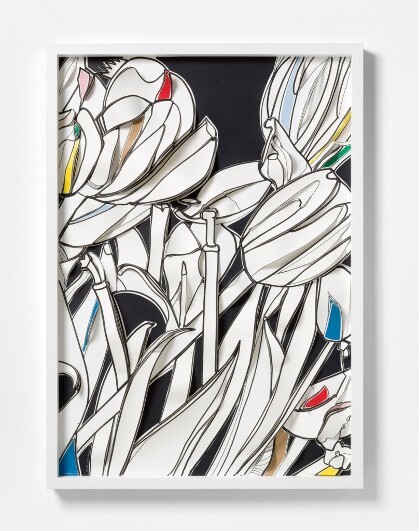
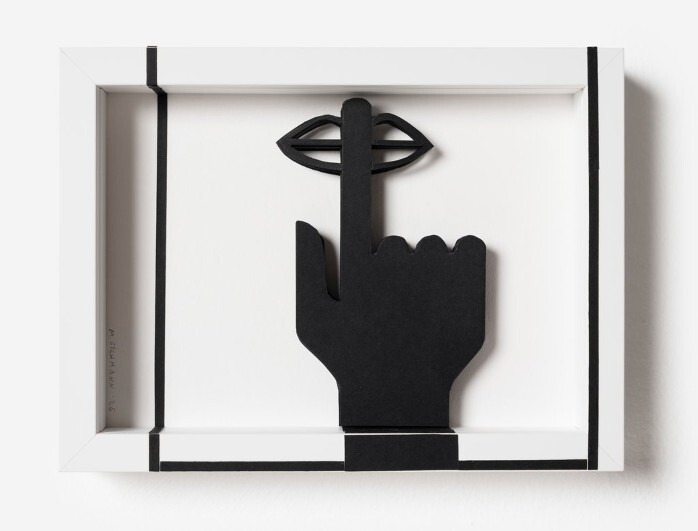
In Marion Eichmann’s works, colour is often not applied with a brush – it gains presence through high-quality paper, cut out and glued within the respective segment of line, often in several layers, which modulates the colour and raises it into relief. The artist has deeply absorbed the experience of Henri Matisse (himself a fabulous cutter of paper), as well as of Piet Mondrian and David Hockney.
Starting from the drawing, a work develops into a relief and, as its three-dimensionality increases, further into an object, into a spatial model that plays with illusion. The decision whether a work should be more graphic, painterly or object-like in character is made anew by the artist again and again. She willingly surrenders to the process by which her cut-paper constructions come into being. Every work holds an insight that leads her to the next step. This is how Marion Eichmann preserves the inner artistic drive and freshness that characterise her work, and with which any hermeticism is undercut.
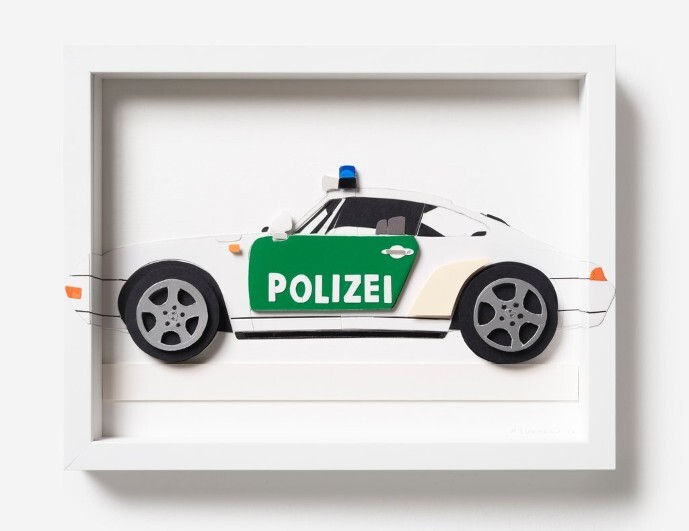
You recognise what you see. A finished work also shows what it means – in an almost monumental Eichmann simplicity. How could one describe the consumerism that marks our society more aptly than through this “Porsche 911” in eight parts?
Like a top athlete, the artist masters the process of absolute technical precision. Just look at the motif “Altes Museum” – what dynamism, what a rustling in the pulling forward and drawing in of the components, from line to unfolding, from likeness to cut constellation.
What her gaze captures follows structural thinking and is never a naturalistic copy, but rather a balancing of the concrete within the abstract, as can be read in many works – here, for instance, in “Flügel Duo”, in which the gestural quality of the line comes charmingly into its own. But also, fundamentally, in the weighing of structural exaggeration against structural reduction.
Those who look closely will occasionally spot a smuggled-in element of the mannerist, namely where a linear component of the picture suddenly forms a knot. This is unmistakable evidence of cheerfulness, underlining the artist’s inner clarity and her aesthetic promise of happiness: to meet the seriousness and heaviness of life with freedom of mind.
These works are not flat, neither in their materiality nor in their spirit. They are staggered in depth and live from their own physicality. Their meaning is not hidden somewhere behind, in theoretical substrata or perceptual traps; it arises directly from the manner of the cuts and the formal accents. And yet these pictures are more than their surface sound. For every cut, every point of colour has weight and its own rhythm. In this respect the pictorial event is concrete, because in these works the individual building blocks, as materially and visually perceptible facts, take precedence over whatever “meaning” they carry with them.
Given the many Berlin buildings we see here, one may well call Marion Eichmann a chronicler of Berlin. There are more than enough photographic motifs relating to Berlin. But in the art of the middle generation in Germany, rarely has anyone captured the urbanisation of the world as concisely and at the same time as unforcedly as Marion Eichmann – with drawing tools, cutter and glue.
The rhythm in which Berlin pulsates is revealed by the steel bar of the elevated railway viaduct in front of a Wilhelminian-era building on Eberswalder Straße. An interpretation of the metropolitan with contemporary urgency.
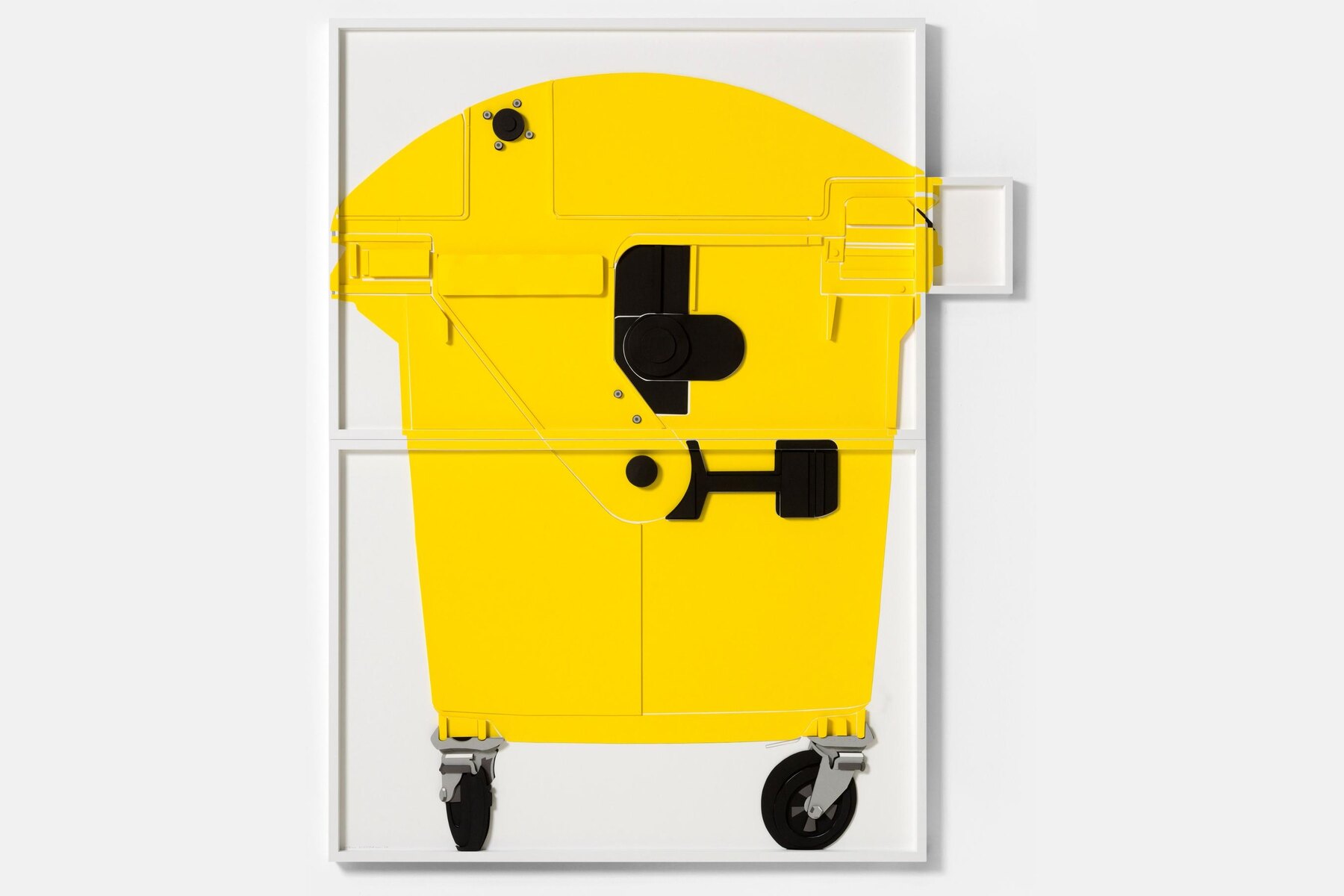
And I would like to add a few pointers: the meticulousness of Marion Eichmann’s drawing is exemplified in “Panorama-Blick Hbf” (the view of the central station as seen from the Reichstag). The use of different papers, and the experience of how differently the ink behaves, is demonstrated for instance by the work “Alte Nationalgalerie”. An eye-catcher is surely also Marion Eichmann’s sensual approach to the “Haus des Lehrers” on Alexanderplatz, a monument of socialist modernism with a detail from Walter Womacka’s mosaic frieze “Unser Leben” (Our Life). Not to be overlooked are the compositions that frequently pass from one frame into a second, which often has a humorous quality – as in “Gelbe Tonne” (Yellow Bin) with its cheeky appendix on the right-hand side.
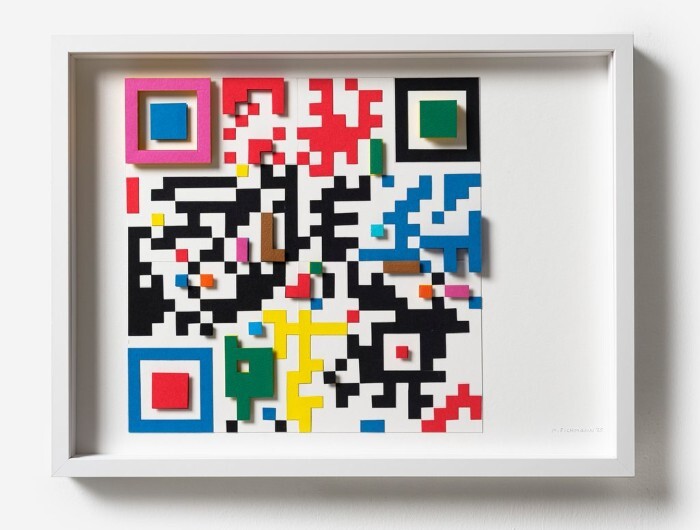
By the way: with Marion Eichmann, everything is real. Even the QR code she has cut is no fake and leads straight into realms where the curious gather. Try it out.
Matthias Garff